Your guide to Heidelberg Gauteng

#Oom Paul's Fountain
Heritage Blue Plaque #Nr 74
OOM PAUL'S FOUNTAIN - Cnr Fenter and HF Verwoerd Streets

What is the story here?
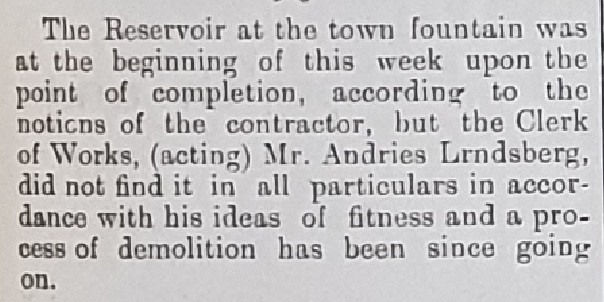
Eenheid Suikerbos se voorsitter Frik van Niekerk tesame met verskeie lede van die eenheid, Voortrekkers asook die gemeenskap was byderhand met die onthulling van die Bakoond as ‘n erfenisbaken in Heidelberg. Geskiedenis oor die Bakoond strek terug na voor die Anglo Boere Oorlog toe President Paul Kruger die Kloofspruit se water, wat deur Heidelberg loop, wou beskerm teen diere asook vandalisme deur Britse troepe in die area. Die spruit het bekend gestaan as Oom Paul se Fontein. Op dié stadium was die spruit die enigste water toevoer tot Heidelberg.
THE HISTORY OF DIE BAKOOND AND OOM PAUL’S SPRUIT
THE BLUE PLAQUE RECOGNITION AND MILITARY SPONSORSHIP (2023)
The unique structural and strategic history of the landmark known as "Die Bakoond" (The Baking Oven) achieved formal preservation status on 17 November 2023. During an official civic ceremony, local historian Mr Tony Burisch, representing the Heidelberg Heritage Association, formally awarded a prestigious Blue Heritage Plaque to the site.
The installation was fully funded through the private civic sponsorship of the South African Defence Force Association (Suid-Afrikaanse Weermagvereniging - SAWV), Suikerbos Unit.
During the unveiling proceedings, Mr Frik van Niekerk publicly thanked the Heidelberg Heritage Association for its extensive work in preserving local landmarks, noting that the reconstructed monument serves the contemporary community as a vital symbol and beacon of hope. Following the formal ceremony, the SAWV Suikerbos Unit presented official certificates of appreciation to the local Voortrekker youth movement and various regional media houses, including the Heidelberg/Nigel Heraut, for their roles in safeguarding regional history.
REPUBLICAN WAR STRATEGY AND THE WATER CONCEALMENT LORE
Die Bakoond represents a highly unique, arched stone structural vault built directly over a natural freshwater stream that slices through the district. According to persistent local oral history and military lore dating back to the Second Anglo-Boer War, the structure was originally conceived as a defensive counter-sabotage measure.
The local Boer burghers harboured deep fears that advancing British imperial columns would poison the town's primary water supplies to force a surrender. To protect the vital resource, the Boers resolved to systematically hide and shelter the natural spring water from the British troops by constructing a dome-shaped masonry vault - mimicking the silhouette of a traditional outdoor baking oven - completely over the running stream corridor.
Alternative historical accounts offer a more domestic explanation, suggesting the stone vault was originally erected by early agriculturalists to protect the pristine drinking water from contamination by roaming livestock and wild animals. Throughout the town's early history, the clean flowing water moving through the settlement symbolised survival and hope for the pioneer families, and a reliable stream of fresh water continues to flow through the floor of Die Bakoond to this day.
STRUCTURAL COLLAPSE AND MEMORIAL RESTORATION (1970s)
The historic masonry structure, colloquially referred to across the district as "Oom Paul se Spruit" (Uncle Paul's Stream) in reference to President Paul Kruger, endured severe environmental degradation over the 20th century. During the 1970s, the unmaintained stone arch suffered a catastrophic structural failure and completely collapsed into the stream bed.
Recognizing the loss of the irreplaceable landmark, local heritage champions and community organizations mobilized to salvaging the fallen stones. The vault was meticulously reconstructed on its original geographic footprint, re-erecting the masonry arch to serve as a permanent, protected memorial monument so that its unique strategic and structural history could be successfully cherished and cherished by future generations.
SOURCES AND CREDITS
-
Primary Historiography: Derived from the heritage monument feature article written by journalist Eugene Viljoen, published in the 29 November 2023 edition of the Heidelberg Heraut.
-
Military and Civic Records: Consolidated from the operational diaries of the SAWV Suikerbos Unit, and the structural restoration blueprints of the Bakoond project.
-
Archival Tracking: Supplemented by the property tracking registries and master installation indexes of the Heidelberg Heritage Association curated by Tony Burisch.